
I think I’ve been a little greedy lately. Or maybe book starved.
A few blog posts ago I decided I was too busy and needed to drop some things off my plate. So I did. I scraped it clean. Then I went to Whole Foods and started choosing healthier things.
Turns out you can fit a lot more in when you make healthier choices.
That’s how I’ve been making space for books again.
I don’t remember what I read right before this. But by now you probably know that I love Dostoyevsky, so when I saw White Nights on Amazon, I thought, Oh. Sure. I’ll read you.
Before you go out and order it, you should know it’s small. It might take two hours to read. I wouldn’t call it a quick read so much as a quick rant.
The story centers on a single man. Never married. No children. He is also the narrator. He doesn’t explain why he is single, but it doesn’t take long to understand. He is deeply alone. He analyzes everything around him, even personifying the buildings and homes he passes, as if they are his closest companions.
At first, I felt sorry for him. And then I noticed how quickly that feeling came. How easily loneliness invites judgment, even when it’s quiet and harmless.
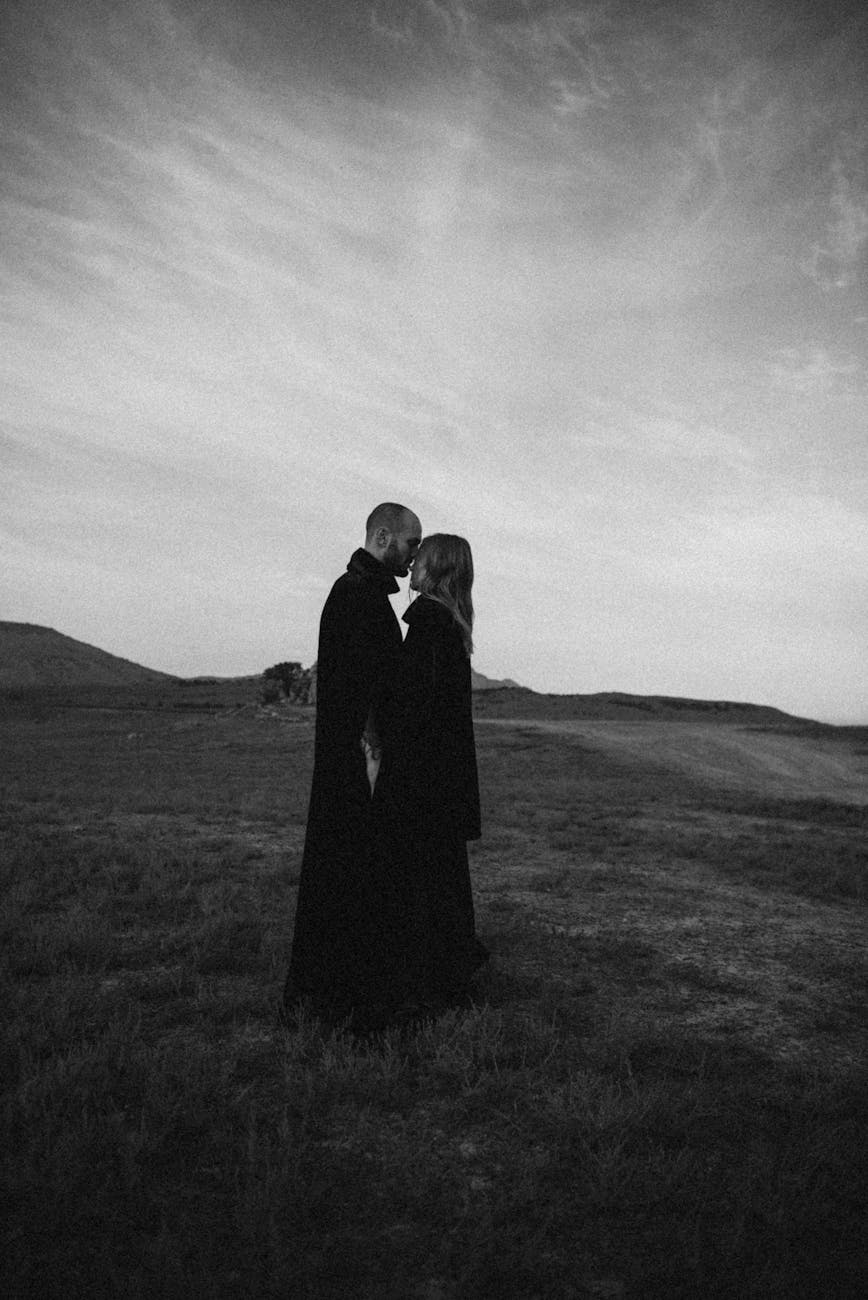
One night he encounters a woman. A very young woman. She, too, is alone. Not in the dramatic sense, but in the ordinary one. The kind most people don’t talk about.
Not long into the story, I found myself rooting for them. For love to bloom. For loneliness to be answered quickly and neatly. I wanted something to be resolved.
And it is. Sort of. I say that with my head slightly tilted, because just when I thought the story was headed somewhere solid, it fell flat.
The ending bothered me.
Then I realized why.
I had been rooting for two people to make a lifetime commitment simply because they had admitted they were lonely. I wanted honesty to be rewarded immediately. It reminded me of Frozen, when a stranger becomes a fiancé within the first hour.
But White Nights isn’t interested in rewarding loneliness. It’s interested in naming it.
This isn’t a book that comforts. It doesn’t resolve loneliness. It names it.
Two people, alone, saying so without shame.
Today, that kind of honesty feels risky. We come with specifications now. Preferences. Filters. Loneliness often reads as a liability. A lonely loner would likely fall into the no-thank-you category before the conversation even begins.
But loneliness doesn’t make a person strange. It makes them human.
The world is crowded, and still there are people who live utterly alone inside it.
I wish we were more accepting of that.
If this post spoke to you…
Share it with someone who might need it, too. Whether it’s a quiet encouragement or a new way of seeing things, these reflections are meant to be passed along.

|
Martina Griffin is a Catholic convert, writer, wife, and mother of four. She writes about faith, motherhood, beauty, books, and the quiet ache of transformation. A lover of popcorn, deep questions, and old classics, she shares her heart at Big Bowl of Popcorn—one post at a time. Instagram | Facebook | Email Me |
Don’t Miss a Post
Stories of faith, motherhood, and becoming—delivered straight to your inbox.
Leave a Reply